

Last Updated: November 14, 2026
Quick Summary
Verify quality engraved keepsakes by checking five criteria: crisp legible lettering, consistent engraving depth, level and centred alignment, uniform finish across the batch, and a clean material surface free of scratches or polishing marks. Always approve a written proof before production and inspect the delivered item in daylight against that proof.
- Laser engraving suits wood, leather and coated metal; diamond drag suits pewter, glass and brass.
- Read the inscription letter by letter against your approved proof, checking spelling, dates and capitalisation.
- Tilt the item towards a window so light rakes across the cut to judge depth consistency.
- Photograph any fault in daylight before contacting the seller, including a ruler or coin for scale.
- Plain pewter trinket boxes come in 6cm at £33.99, 8cm at £40.99 and 10cm at £45.99.
Table of Contents
- What Separates a Quality Engraved Keepsake from a Cheap One
- Engraving Methods and How They Suit Different Materials
- How to Verify Quality Engraved Keepsakes Online Before You Order
- Personalised Engraved Gifts: Inspecting the Delivered Item
- Unique Engraved Gifts: Red Flags and What to Do When an Item Fails
- Choosing an Engraved Pen or Keepsake from I Luv Gifts
- Frequently Asked Questions
What Separates a Quality Engraved Keepsake from a Cheap One
A quality engraved keepsake is defined by crisp, legible lettering cut to consistent depth into a well-finished material, with accurate spelling and clean alignment. Cheap versions show shallow or uneven cuts, rough edges and fading within months.
The difference rarely shows in a thumbnail. It shows in the hand: how light catches the cut, whether letter edges feel sharp or fuzzy, and whether the inscription sits straight at arm's length.
The Five Quality Criteria That Matter Most
Judging how to verify quality engraved keepsakes comes down to five things you can check on any item, in any material:
- Clarity and legibility: every letter fully formed, no blurred or filled-in counters
- Engraving depth: consistent across the whole inscription, not deeper at one end
- Alignment: text level and centred, with even margins on all sides
A keepsake that passes all five still looks right in ten years. One that fails two or more is a return waiting to happen.
Engraving Methods and How They Suit Different Materials
Three methods dominate personalised gift production, and each suits different surfaces. Laser engraving burns or vapourises a precise mark and works well on wood, leather and coated metal. Diamond drag cuts a fine, shallow line, ideal for polished pewter and glass. Rotary engraving cuts deeper with a spinning cutter, best for thick metal and signage.
Laser Engraving vs Diamond Drag vs Rotary Engraving
| Method | Best Materials | Cut Style | Watch For |
|---|---|---|---|
| Laser engraving | Wood, leather, coated metal | Burned or vapourised mark | Sooting on light leather, faint contrast on some metals |
| Diamond drag | Pewter, glass, brass | Fine shallow line | Can look faint under low light |
| Rotary engraving | Thick metal, wood, acrylic | Deep cut line | Slight burr at edges if the cutter is dull |
Ask your provider which method they use and why.
How to Verify Quality Engraved Keepsakes Online Before You Order
You verify an engraved keepsake online by checking four things before you pay: real photographs of finished work, a proof you approve in writing, clear material specifications, and a stated returns policy that covers engraving errors. No proof, no order.
Checking Spelling, Names, Dates and Personalisation Details
Personalisation errors are the most common cause of a failed engraved gift, and almost all of them happen before production starts. Run this check on your order form:
- Spell every name letter by letter against a written source, not memory
- Confirm name order: first name first, or surname first for formal gifts
- Check capitalisation matches what you want, including all-caps versus title case
For a wider look at checking craftsmanship before you buy, our guide to engraved baby gifts walks through the same quality checks for a common keepsake purchase.
Personalised Engraved Gifts: Inspecting the Delivered Item
Inspect a delivered engraved keepsake in daylight, checking the inscription, surface and alignment before you wrap it.
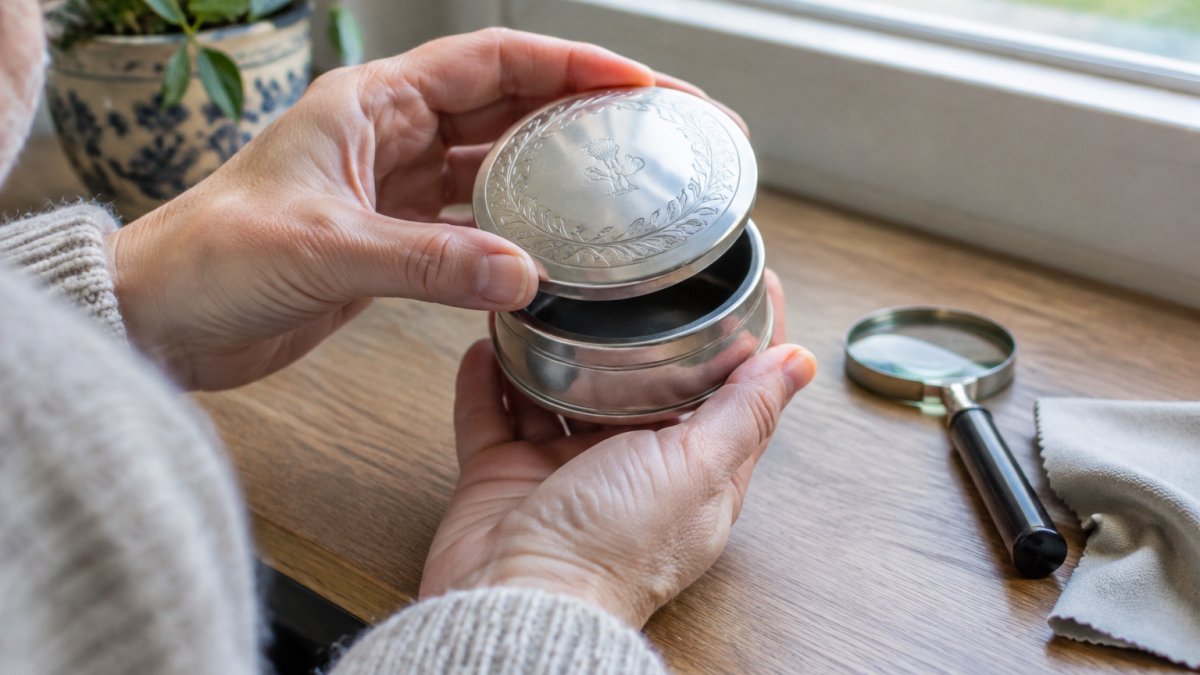
A Step-by-Step Inspection Sequence for Any Engraved Keepsake
Work through these checks in order. Stop and photograph at the first failure rather than carrying on.
- Unbox and check the packaging first. Look for crush damage, rattling or re-taped boxes, a damaged outer box warns that the item may have shifted against its engraving.
- Confirm the item matches the order. Check size, shape, material and finish against your confirmation and approved proof.
- Read the inscription letter by letter against the approved proof. Check spelling, capitalisation, accents, punctuation and date format. This is the most common failure point.
- Check alignment and margins. Hold the item at arm's length for level text, even margins and correct centring. A straight edge of paper against the baseline reveals a tilt the eye forgives.
- Assess depth and consistency. Tilt the item towards a window so light rakes across the cut. Depth should be even from first letter to last, with no fading or deeper gouge where the cutter started or stopped.
- Inspect edge sharpness and finish. Clean edges look crisp and bright; a dull cutter leaves a burr, fuzzy edge or tear.
- Check the surrounding surface. Look for scratches, polishing marks, pitting or smeared metal around the engraving, finishing faults still fail the item.
- Check colour and contrast. On filled or coated engraving, confirm the fill is even and covers the cut. On laser-marked leather or wood, confirm the tone is consistent and not scorched.
- Re-box and store safely until the returns window closes. Keep all packaging and paperwork until you are certain you are keeping the item.
Acceptable Variation Versus a Defect
Not every difference is a fault. Hand-finished engraving on natural materials varies slightly, and that variation is part of the piece's character. What matters is whether it affects legibility, structure or the intended appearance.
- Acceptable: faint tonal variation across a laser mark on leather; slight cut-brightness differences on hand-polished pewter; a grain line near, but not through, the lettering; a millimetre of centring drift invisible at arm's length.
- A defect: any letter not fully formed or with a filled-in counter; depth that visibly fades; a burr or tear you can feel with a fingernail; a scratch crossing the engraving; a fill missing part of a letter; visibly tilted text; a misspelling or wrong date.
The arm's-length test: hold the item at normal viewing distance in daylight. A fault visible without leaning in is a defect. One you can only find by tilting under a lamp and squinting is likely acceptable variation, but note it in case it worsens.
Material-Specific Checks for Pewter, Glass, Wood and Leather
Each material fails in its own way, so check accordingly:
- Pewter: the cut should be bright and clean against the polished surface, with no drag marks or smeared metal. A dull grey cut usually means a dull cutter or too shallow a pass.
- Glass and crystal: run a fingernail across the engraving, it should feel uniform, with no sharp chips. Hold it against a dark background to check for internal cracks or stress marks.
- Wood: look for scorch marks around laser engraving and check the grain has not lifted or splintered. Raised fibres mean the settings were too hot or the wood too damp.
Under poor lighting, shallow engraving can look fine. Daylight, or a lamp held at a low angle, reveals depth and consistency that indoor overhead light hides.
Unique Engraved Gifts: Red Flags and What to Do When an Item Fails
Walk away from a provider who shows no photographs of finished engraving, gives no proof before production, or cannot tell you where the item is made.
Other warning signs worth taking seriously:
- Stock images only, with no close-ups of actual lettering
- No stated lead time, or one that shifts when you ask
- A returns policy that excludes personalised items entirely, with no remedy for their errors
A Documented Process for When an Engraved Item Fails Inspection
If a delivered item fails inspection, act quickly and in writing. This process keeps the evidence clean and gives the seller a clear route to put things right.
- Photograph the fault in daylight before you touch anything else. Take a close-up of the fault, a mid-shot in context, and a wide shot of the item with its packaging. Include the order number and a ruler or coin for scale.
- Compare the item against the approved proof. Save a copy of the proof with the date and any correspondence. If the fault deviates from the proof, say so explicitly; if it is a production defect not visible on the proof, describe it plainly.
- Check the seller's returns policy before you write. Note the returns window, the stated remedy for engraving errors, and whether personalised items are excluded. An exclusion does not remove the seller's responsibility for their own errors under UK consumer law.
- Email the seller within the returns window. State the order number, item, fault and the remedy you want, correction, replacement or refund. Attach photographs and reference the approved proof. Keep the tone factual.
- Ask for the remedy in writing. Confirm whether the seller will re-make, replace or refund, and ask for a timescale. Decide whether any partial refund is acceptable before you agree.
- Keep the packaging and item until the matter is settled. Most returns processes ask for the original packaging, and some ask for the item back before a replacement is dispatched.
- Escalate if the seller does not respond. If the seller is in the UK and will not resolve it, raise it with Citizens Advice or, for card payments, ask your card provider about a chargeback. Keep every email and photograph as evidence.
Watch out: do not send the item back before the seller has confirmed in writing that they will cover return postage for their error, or you may lose both the item and the cost of returning it.
Preventing the Same Failure Next Time
If you are reordering or switching provider, close the gaps that caused the failure. Ask for a proof at actual size and in the actual font, confirm the material and finish in writing, and check the returns policy covers engraving errors.
Choosing an Engraved Pen or Keepsake from I Luv Gifts
Choosing well means matching the item to the occasion and the material to the inscription. A compact trinket box suits a christening or first birthday, and a larger box suits a wedding or anniversary.
Our plain pewter trinket boxes are made for engraving, with a bright polished finish. They come in three sizes: the 6cm round box at £33.99, the 8cm round box at £40.99, and the 10cm round box at £45.99. For something with a little more shape, the Georgian-style polished pewter box at £43.99 offers an alternative profile.
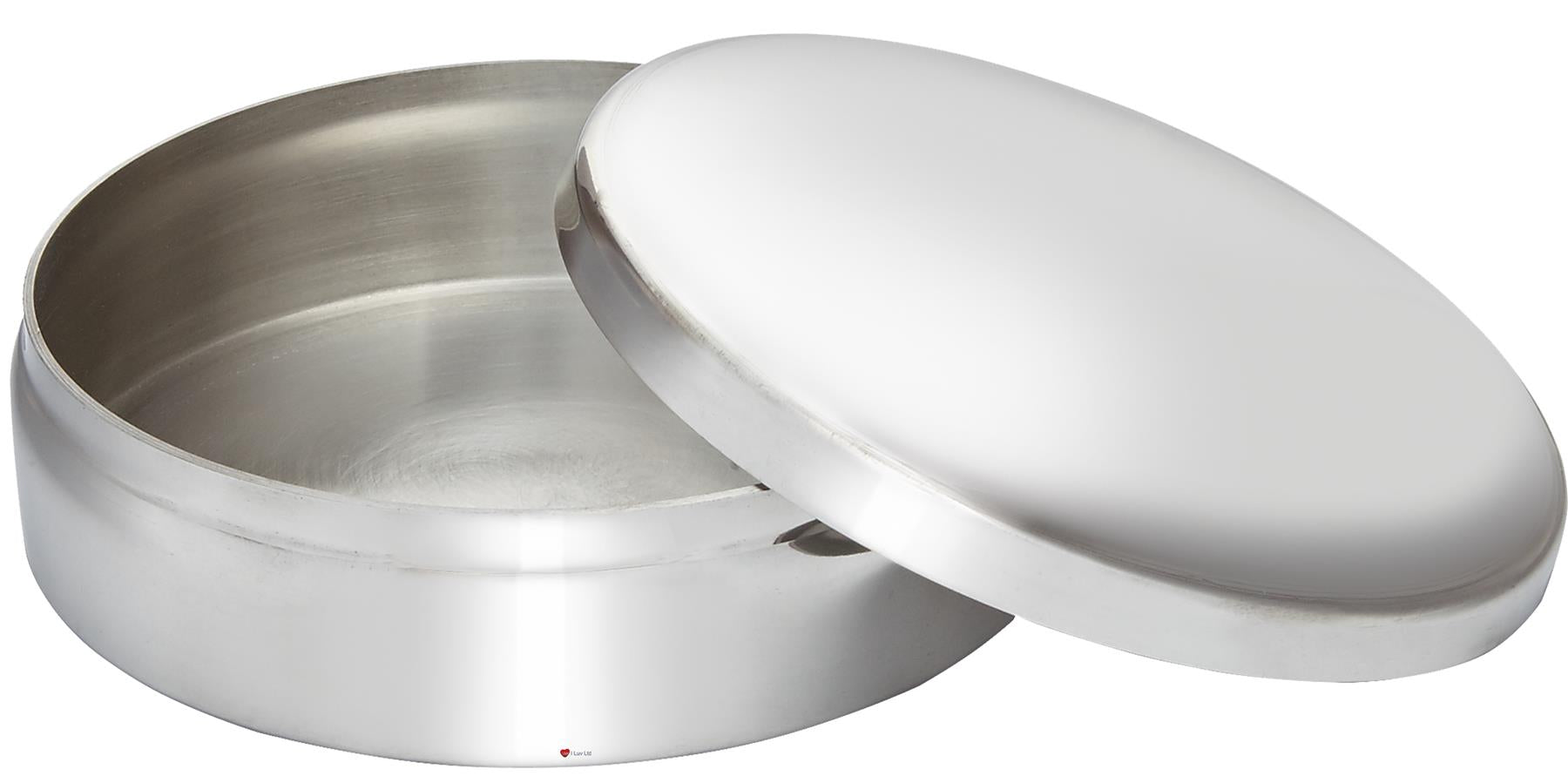
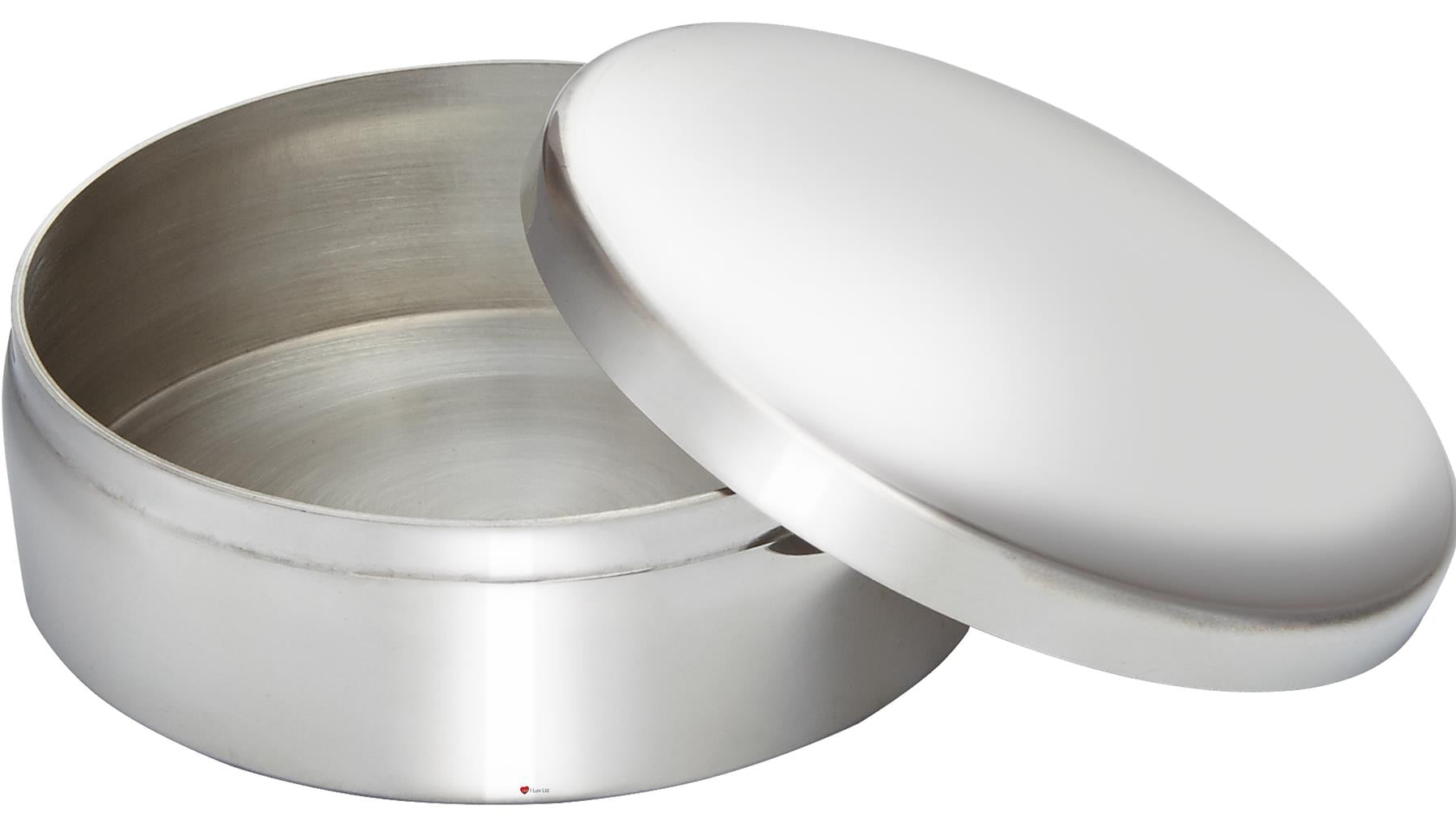
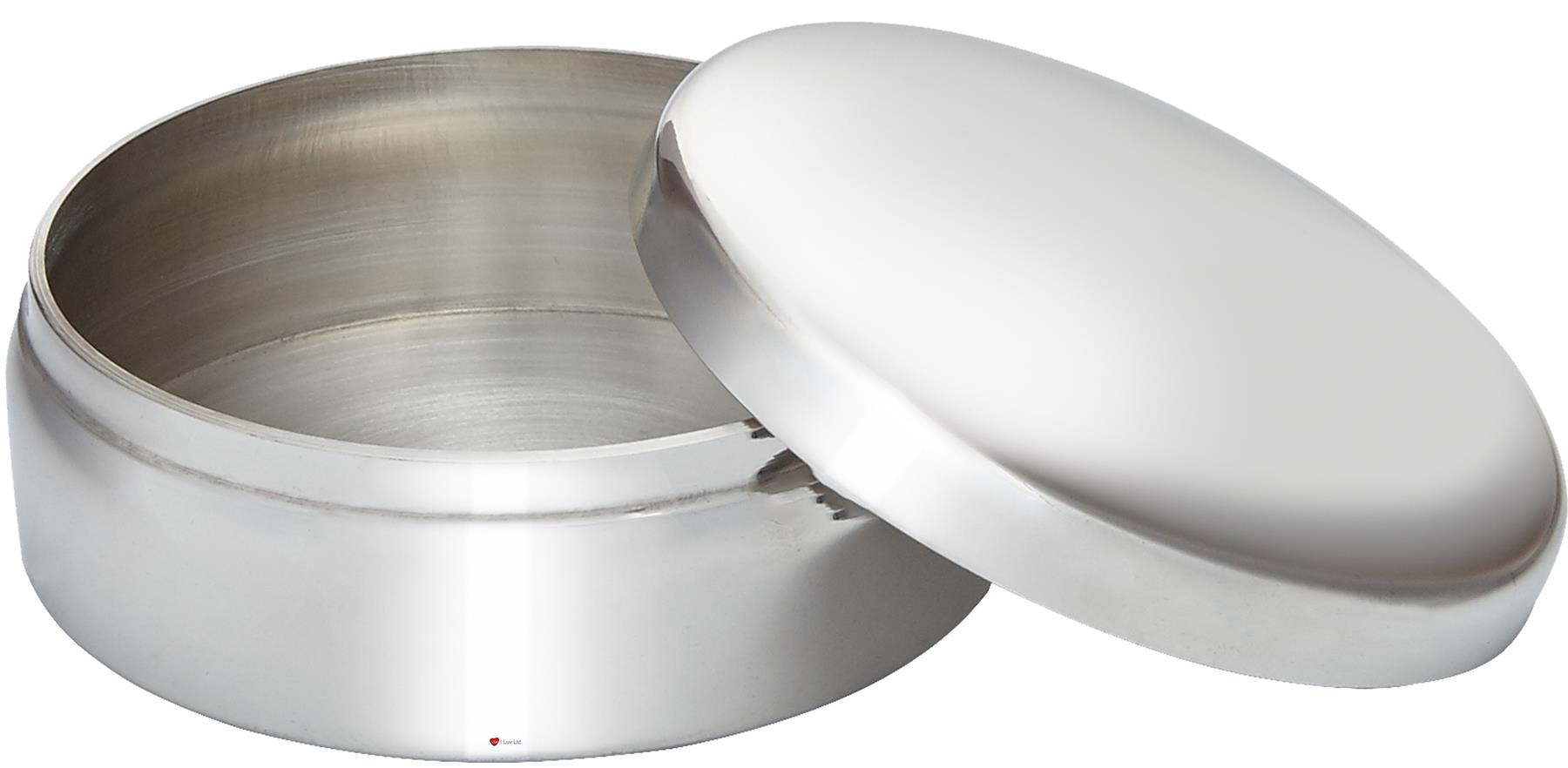
What most buyers miss is that a plain, bright surface is the best base for engraving. Ornate patterns compete with lettering; a clean lid lets the inscription carry the gift.
Verifying an engraved keepsake takes ten minutes and saves an occasion. If you would rather start with an item built for personalisation, our handcrafted pewter keepsakes are made in the UK, come with free UK shipping on orders over £20, and are covered by our 30-day free returns. Get started with I Luv Gifts and choose a keepsake worth engraving.
Frequently Asked Questions
How can you tell if an engraving is genuine and well made?
Look for crisp, evenly cut lines with no burrs or rough edges, consistent depth across the whole inscription, and lettering that sits straight and centred on the piece. Genuine engraving cuts into the material rather than sitting on top of it, so you should feel a slight recess when you run a fingernail across the surface. On a metal keepsake such as a pewter trinket box, the engraved area should look clean and polished, not scorched or smeared.
What should you check on an engraved keepsake before buying it online?
Ask for close-up photographs of previous work, confirm the material and engraving method, and check that the provider offers a proof or artwork approval step before production. Read the personalisation instructions carefully, including how names, dates and capitalisation should be entered. A reputable provider will show real customer orders and state clearly what happens if the engraving arrives incorrect, so check the returns and replacement policy before you pay.
What is the difference between engraving and etching?
Engraving cuts into the surface with a laser, diamond drag or rotary tool, leaving a permanent recess that you can usually feel with a fingertip. Etching uses acid or a similar process to bite into the material, which often produces a softer, shallower mark. Both can look good, but engraving generally holds up better to daily handling on metal and glass, while etching suits decorative glassware where a lighter finish is wanted. Ask which method was used if the finish matters to you.
What should you do if an engraved gift arrives with a mistake?
Photograph the item as soon as you open it, including close-ups of the error and the packaging, then contact the retailer within their stated returns window. At I Luv Gifts, orders come with 30 days' free returns, so check the policy before ordering.
Prices of plain pewter trinket boxes by size


